Fact, Tahiti is a long way from anywhere; it took us all a long time to get there as you need to go via NZ or Australia or, as we did, via Los Angeles.
Our yacht, Gow Tow 3, was a 44ft Delher that had seen better days. The boat arrived with the leaving crew reporting a great list of things not quite right; no chart plotter (damaged via accidental gybes), no fridge, no navigation lights, no spare halyards, no gas, and in need of a deep clean. The crew had sailed from Panama to Tahiti, and Serge (the owner), Ross, Mel, Peter, and I were there to sail her to Australia.
We therefore spent six days repairing what we could, which was more difficult because of the lack of chandlers on the island, and we had to leave with several things still not working.
The morning we left Tahiti the island was still sleeping, rain hung over the volcanic ridges like a curtain half drawn. We should probably have left a bit later, but we were victualled and itching to get going. Ahead lay the open South Pacific: thousands of nautical miles of trade winds, reefs, clouds, and small currents between French Polynesia and the eastern coast of Australia. The plan was to visit several Islands on our way enjoying calm seas and picturesque scenery, as well as meeting fascinating locals and enjoying plenty of fresh local produce and fish.
As we cleared the lee of Tahiti, the easterly trades filled and we headed off to the Island of Moorea, just a hop across from Tahiti in order to drop off a departing member of the crew. It was the island we had spent five days at waiting for the boat to arrive, an Island worth a visit if you go that way, much more than Tahiti itself which is very industrial and a major port servicing the islands of French Polynesia.
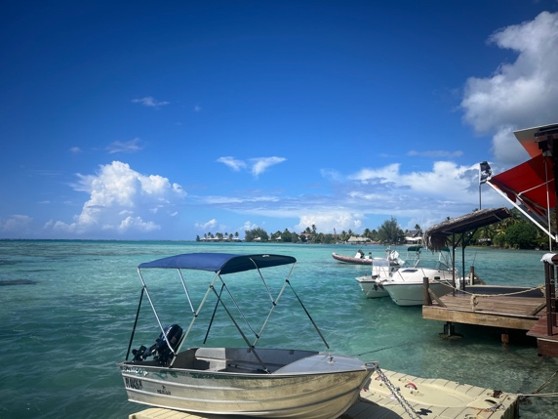
For the first days we ran west with the Society Islands astern, the sea an impossible colour—deep cobalt in the troughs and silver where the sun broke across the crests.
We did not sail in a straight line as our first stop was to be the Island of Huahine, we made the passage through a coral entrance into a large lagoon where we anchored and enjoyed a few cold beers with the locals. The passage was via the west entrance and down to the lower part of the island.
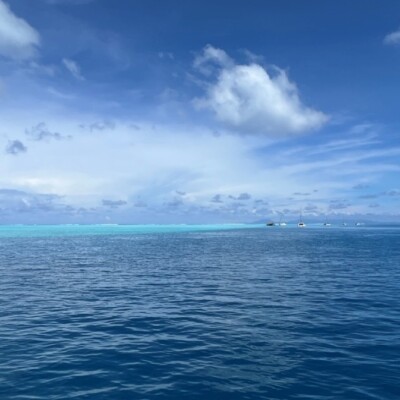
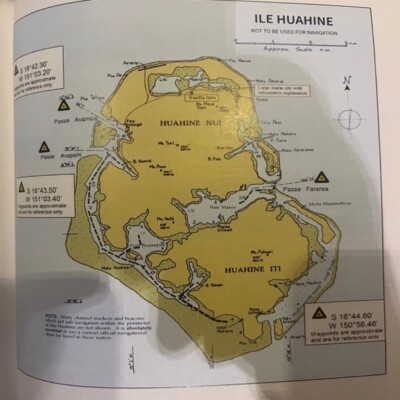
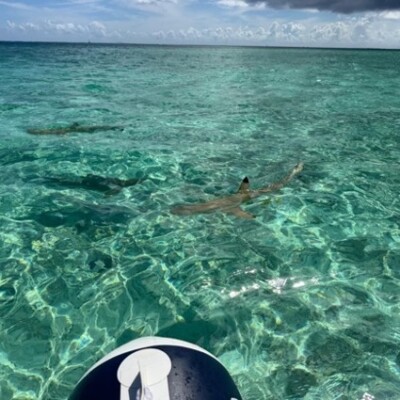
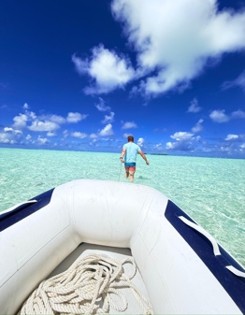
We stayed one night in Huahine and then set off for the next island of Ratateria which was just a short hop. This island had an amazing coral shelf where we got to swim with baby reef sharks and other colourful fish, too many to mention. There was some fun and games getting ashore because there are no marked channels and the dinghy kept getting stuck on the reefs, so we had to wade ashore whilst carrying the dinghy.
Leaving Ratateria we enjoyed sailing in ideal, gentle, down wind conditions – 18knts and reefing at night for the watches, we had no squalls and were feeling happy. We headed towards Bora Bora, knowing that it was going to be busy compared to what we had experienced so far. The trip was to be 4 days sail and we had provisions (fridge now working so some fresh food and beer on board).
The squalls started and we had a tough time with the strength and length of these, with reefing essential. We had no wind instruments, radar, or barometer so we had to study the sky and look out for darkening clouds. There was the occasional accidental gybe caused by the less experienced crew, so we moved to a system of ensuring that there were two on deck to help out rather than the single 2 hour night watches. The amount of water coming down on the sails and deck in one squall was immense, it lasted for nearly 6 hours and our course changed by 90 degrees.
Eventually we reached the island of Bora Bora and hit honeymoon heaven, again the entrance to the island was via a small inlet between the coral reef. We headed to an anchorage spot and found a number of buoys available alongside all the catamarans. The Island was very busy with water taxis and guests being shuttled around.
The island has one main town where you can get provisions, water, diesel (only 80p per litre) etc but you are only allowed to stay on the quay side for 1 hour, they are officious and do chase you for payment of the mooring fees. The water was warm and the reef full of basking blacktip reef sharks which we enjoyed swimming with.
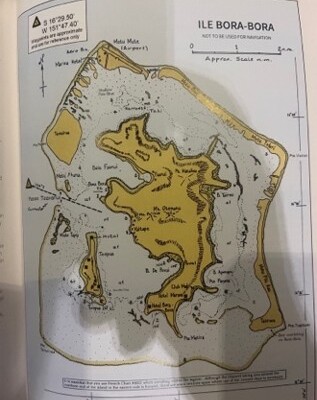
We were due to check out of French Polynesia in Bora Bora and head off to Samoa but with a stop in Maupiti (unfortunately the French were having none of this and as they did not work Friday afternoons or weekends we were told to come back on Monday). We left our passports with the police and decided to sail 60 miles to Maupiti, returning on Sunday night to be on the quay side at 7.00am when then police said they could do the exit for us.
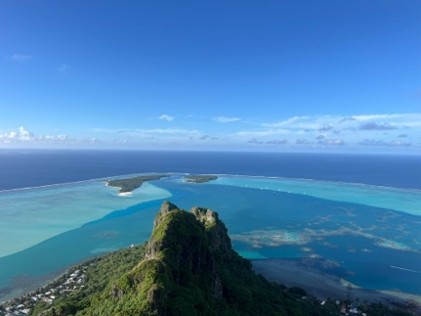
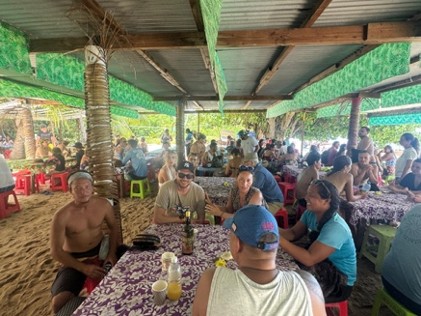
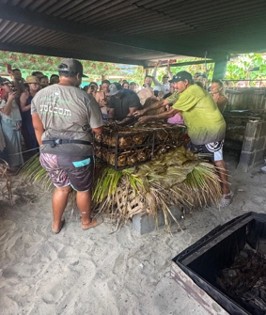
Maupiti has a wonderful but difficult passage into the lagoon, with passage only available 2 hours either side of high tide and only when the wind is from the east. It was wholly worth it, a stunning lagoon with not many boats and fantastic locals who made us welcome. The Saturday we were there they invited us to the locals’ bbq where we ate fresh local food and listened to the youngsters singing and playing instruments whilst wallowing in warm water under the trees.
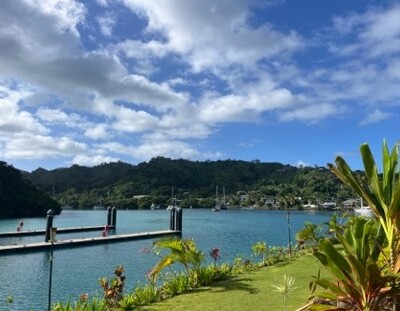
Images below of the island and the entrance.
So leaving this wonderful Island we headed back on Sunday to Bora Bora and moored outside the yacht club (needs some TLC).
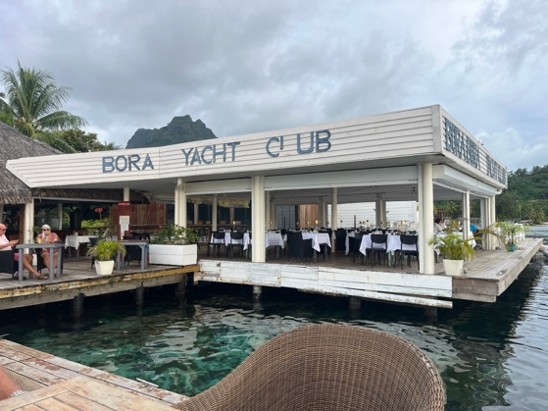
We were stamped out by the police 3 hours after arriving at the police station, giving us time to shop for fresh bread and fruit. Next stop Samoa.
The trip was 9 days, during which the weather continued to give us stronger, gusty winds which made the sailing a little tougher than we thought it would be. There were issues with a snapped main halyard, and the spinnaker finding its way into the water on a drop, all things that were becoming run of the mill on this journey.
Samoa (Apia, capital) was somewhere we were all looking forward to as we thought we could get some repairs done. Not so, the marina was closed as they were holding a fishing competition. In addition, the marina had not been repaired since a cyclone several years before and there were no marina facilities. The Customs and immigration officers came aboard and were hunting for things that they could eat and drink plus take away with them, so we lost all our crisps, some of the beer, and some pasta. Naturally though, we cleared customs.
We planned to leave soon as we could, based on the facilities and lack of places to get some repairs done, but the weather was against us so we stayed for 4 nights and had the chance to explore the island and the culture, plus talk rugby.
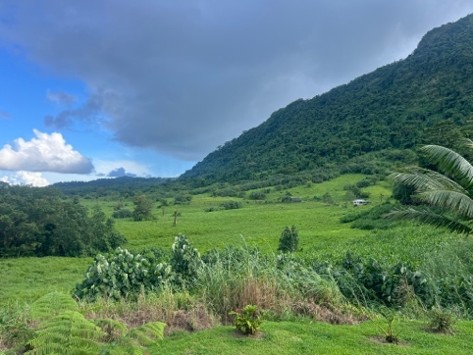
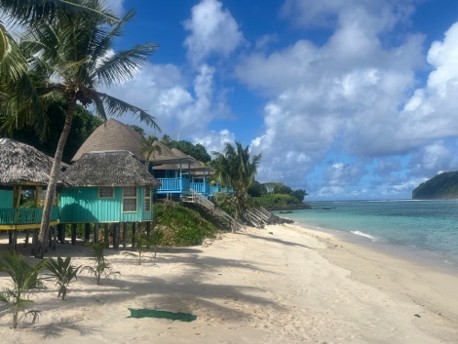
The island outside Apia was stunning, and the people (slightly large, 4th largest population on the planet, due to the American influenced diet) were friendly. The land is protected for the locals, 85% is broken down into villages which are owned and run by a chief for the villagers and each village decides what work to do as a village for the income of the village. Only 15% of land can be freely purchased by people from outside the island, mainly based around Apia.
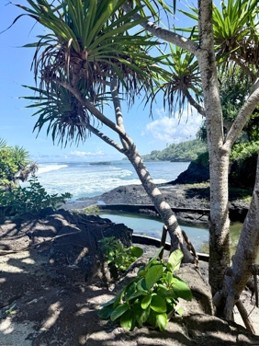
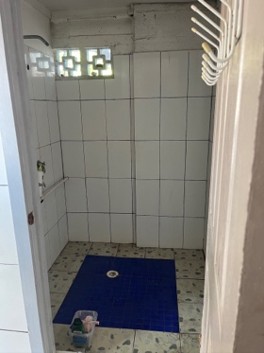
Some views of Samoa and our shower facilities in the marina.
After 4 days we set sail to Fiji, expecting a 5 day sail which turned out to be a 2-day motor and then a 3 day sail. We arrived very late in the night into Fiji and a marina that was unlit. With no communication from the marina on how to find the entrance, we did run aground with the skipper trying to call the marina, steer, and look at his phone for the depths on Navionics – clearly at this point delegation was not on his list.
The locals helped us, by pulling us off the sand bank located outside the marina, unmarked at night (at day light we noticed some small sticks highlighting it). We moored up, had a beer, went to bed, and waited for customs at 8.00am. They arrived at noon!
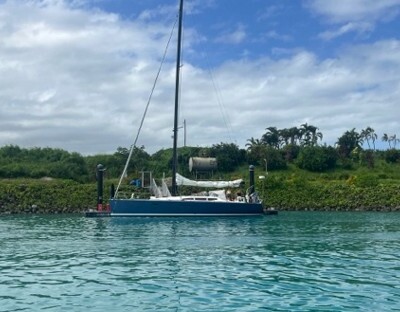
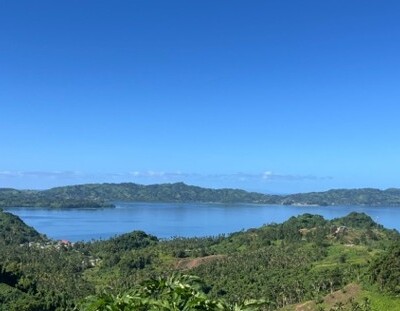
Nawi Island in Fiji was the opposite of Samoa, luxury facilities, helpful staff and time to do repairs to many things before we set sail to New Caledonia. The marina was a new build by an Australian company and attracting sailors from Australia as well as some super yachts. Fiji was a great stop and somewhere to go again. There are 150 islands that make up Fiji, of which 50 are inhabited and by a great mix of cultures. In one town we visited you would have thought you were in India.
Leaving Fiji, again after a delay in clearing customs, we headed towards New Caledonia. Peter left us in Fiji meaning we were now a crew of four. The worst weather found us between Fiji and New Caledonia on our 6 day passage towards Noumea. For the majority of the passage we had two reefs in the main and the headsail partly reefed, as the seas were bigger and there were frequent squalls.
We had been warned of issues following the uprising two years ago with the French Army managing to kill several protestors in the process of quelling matters. On arrival we were aware of the issues as the sale of alcohol was banned over the period of the anniversary. The plan was to stay and see what was happening to the weather as there were signs of significant weather systems coming up from NZ and from the Tasmin Sea. After 4 days of waiting, things were looking bad and as we had flights to catch from Australia to home, we decided to depart from Noumea by air to Australia and then fly home. During the time ashore we were able to do some running repairs and do a deep clean so that the boat was ready to go when weather allowed.
In the end the boat remained in Noumea for a further 12 days, until the weather had abated and Serge was able to finish the journey, using a relief crew for the 5 day passage to Brisbane.
In total we covered 2778 miles sailing near enough in the same direction for the 29 days at sea. The islands visited were stunning but a long way from home.